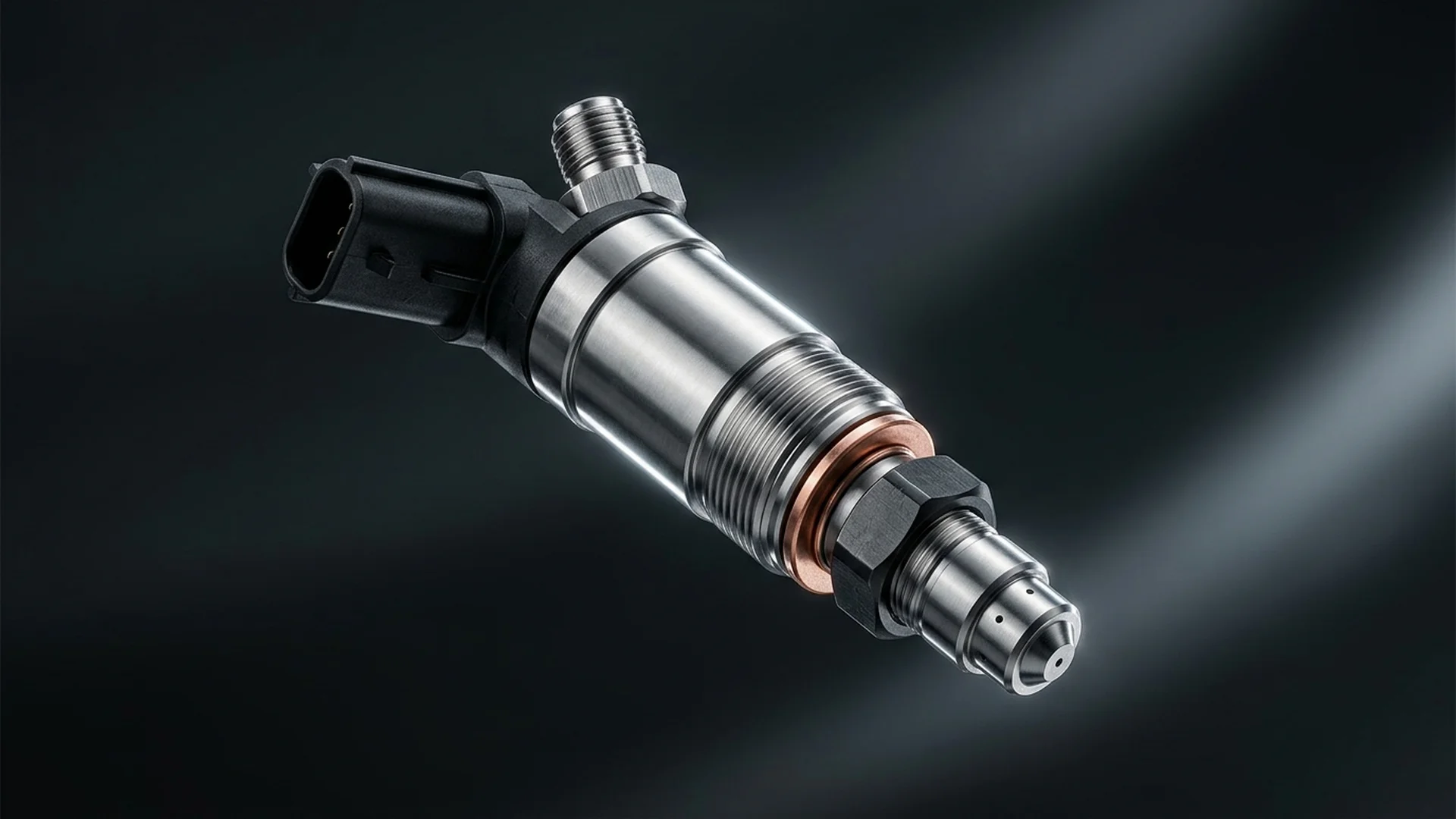
Modern High-Pressure Common Rail (HPCR) diesel injectors operate at pressures exceeding 2,500 bar with internal needle clearances under 2 microns. The single best way to keep them running forever is implementing a strict 3-tier longevity protocol: (1) multi-stage filtration using certified 2–4 micron secondary filters paired with a 30-micron water-separating pre-filter, (2) preventing thermal breakdown by never driving below a quarter-tank of fuel, and (3) counteracting low-lubricity 50ppm/10ppm diesel with proven deposit-clearing detergency (tested to CEC F-98-08 standards). Regular OBD balance rate monitoring allows you to spot microscopic flow deviations before catastrophic piston melting occurs.
If you own a modern turbodiesel vehicle in South Africa—whether it is a rugged Toyota Hilux 2.8 GD-6, a Land Cruiser 79 V8, a Ford Ranger Biturbo, an Isuzu D-Max, or an executive BMW 520d—your engine relies on one of the most mechanically demanding components ever created: the High-Pressure Common Rail (HPCR) Diesel Injector.
A single set of OEM common rail diesel injectors can cost anywhere between R25,000 to R75,000+ to replace. Worse yet, when an injector fails silently by sticking open or spraying an erratic, un-atomized jet of fuel, it can burn a hole straight through a forged aluminium piston in a matter of seconds, resulting in a total engine write-off.
The good news? Diesel injectors do not have an inevitable "expiration date." When properly shielded from the thermodynamic and chemical stresses that cause premature wear, modern solenoid and piezo injectors can easily run for hundreds of thousands of trouble-free kilometres. In this engineering guide, we break down the peer-reviewed physics behind injector wear and give you the exact, actionable protocols to protect your investment.
The Extreme Engineering Inside an HPCR Injector
To understand how to protect your injectors, you first must appreciate the hostile microscopic environment in which they operate. Unlike older mechanical direct injection systems that sprayed fuel at relatively modest pressures (150 to 300 bar), modern common rail systems from Bosch, Denso, Delphi, and Continental operate at 1,600 to 2,500+ bar (23,000 to 36,000+ psi).
Microscopic Clearance
Dynamic Performance
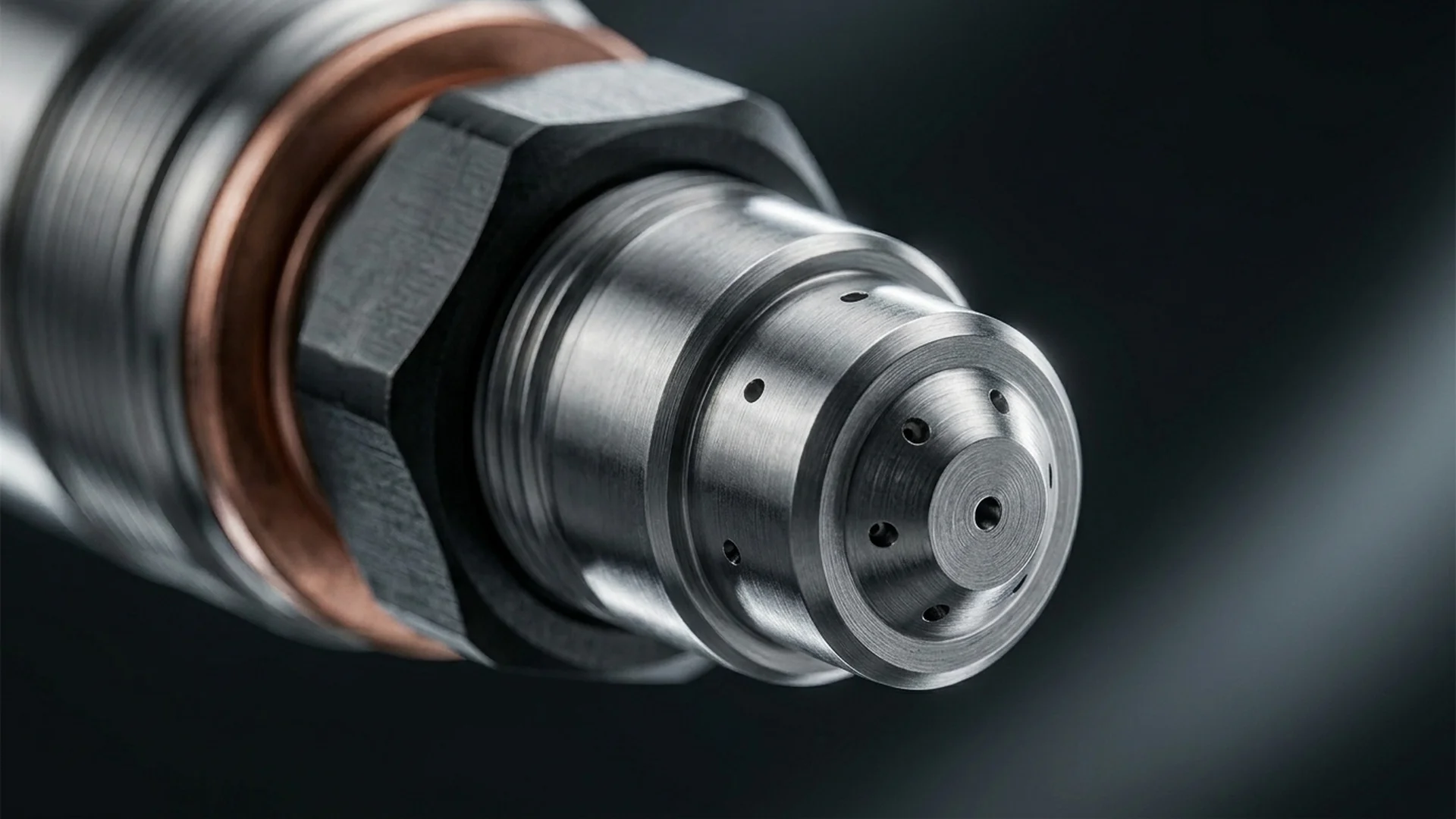
Inside every injector, a hardened chrome-alloy needle moves up and down thousands of times per minute within a precision-honed guide bore. The tolerance between the needle and the guide wall is a staggering 1 to 2 microns. At this scale, even the tiniest particle of abrasive dust or crystalline contaminant acts like high-speed shrapnel under thousands of bars of hydraulic pressure.
The 4 Scientific Causes of Diesel Injector Failure
Extensive tribological and fuel system research from the Society of Automotive Engineers (SAE) and international diesel injection manufacturers identifies four root causes for 98% of all injector failures:
1. Hydro-Abrasive Particulate Wear
When microscopic dust, silica, or metallic debris larger than 2 microns passes through substandard fuel filtration, it enters the injector under extreme velocity. The hydrodynamic shear stress cuts microscopic grooves into the control valve ball seat and needle body. This damage leads to excessive backleak (leak-off return flow). Once an injector leaks too much high-pressure fuel back to the return line, rail pressure drops, leading to long cranking times, limp mode, and severe power loss.
2. Water Contamination and Flash-Boiling Cavitation
Water is the absolute arch-enemy of high-pressure diesel systems. Unlike petrol engines where fuel pumps and injectors are separated from the combustion chamber, diesel fuel itself acts as the sole lubricating fluid for the precision internal metal components. Water has virtually zero hydrodynamic film strength at 2,000 bar.
Furthermore, when microscopic water droplets reach the nozzle tip (where metal temperatures reach 300°C in the combustion flame zone), the water instantly flash-boils into steam. This explosive phase change generates violent microscopic shockwaves—a phenomenon known as cavitation erosion—which physically chips away at the microscopic 120-micron nozzle holes and distorts the spray pattern.
3. Internal Diesel Injector Deposits (IDID) & Nozzle Coking
Modern Ultra-Low Sulfur Diesel (ULSD, 50ppm and 10ppm in South Africa) undergoes aggressive refinery hydro-treating to strip out sulfur. While cleaner for emissions, hydro-treating inadvertently strips out natural polar aromatic compounds that provide lubricity. When unburnt fuel is subjected to extreme thermal cycles inside the injector body, it forms two distinct deposit classes:
- External Nozzle Coking: Carbonaceous baked-on crusts that choke the microscopic spray orifices, destroying the delicate fuel atomization spray cone.
- Internal Deposits (IDID / "Sticky Injector Syndrome"): Sodium carboxylate soaps and Polyisobutylene Succinimide (PIBSI) polymer lacquers that coat the internal needle and command piston, causing the needle to stick or react sluggishly to ECU firing commands.
4. Thermal Starvation from Low Fuel Levels
High-pressure common rail fuel pumps compress vastly more diesel than the engine actually burns. The surplus fuel—having absorbed immense heat from the engine block and high-pressure compression—is returned to the fuel tank via the fuel cooler return loop. When you drive with less than a quarter-tank of diesel, that scalding fuel returns to a small volume of liquid, rapidly elevating overall fuel tank temperatures above 75°C to 80°C. Hot diesel loses its viscosity, causing the lubricating hydrodynamic boundary layer to collapse inside the pump and injectors.
The Definitive 5-Step Protocol to Keep Injectors Running Forever
Now that you understand the science of injector degradation, here is the exact maintenance protocol every diesel owner should follow to ensure maximum reliability and longevity:
Step 1: Upgrade to True Multi-Stage 2-Micron Filtration
Factory service schedules often claim fuel filters can last 30,000km to 45,000km. Under South African operating conditions—with high ambient dust, varying underground fuel tank maintenance, and condensation in coastal or highveld regions—this is far too long.
- Use Certified 2-to-4 Micron Secondary Filters: Never install cheap generic fuel filters. Always ensure your secondary filter has an absolute Beta ratio rating (βx ≥ 75) down to 2–4 microns.
- Install a Secondary Water-Trap Pre-Filter: If you drive a 4x4 bakkie (such as a Hilux, Land Cruiser, Ranger, or D-Max) or travel overland, fit an auxiliary 30-micron primary pre-filter with a transparent water-separation bowl (e.g., Donaldson or Fuel-Manager) before the factory filter.
- Drain the Water Separator Every 5,000km: Manually loosen the water trap drain valve beneath your filter assembly to purge any accumulated moisture before it can emulsify.
- Replace Filters Every 10,000km to 15,000km: A R600 fuel filter replacement is cheap insurance against a R40,000 injector overhaul.
Step 2: Combat South African 50ppm Lubricity Deficits
The standard test for diesel fuel lubricity is the High Frequency Reciprocating Rig (HFRR) wear scar measurement (ISO 12156 / SANS 342). While South African regulatory standards permit wear scars up to 460 microns, fuel injection manufacturers (Bosch, Denso, Delphi) unanimously state that common rail systems require a wear scar of less than 400 microns to prevent long-term micro-galling.
Every 5,000km to 10,000km, run a dedicated, high-detergency common rail diesel additive containing certified polyetheramine (PEA) or advanced PIBSI deposit-control chemistry tested to CEC F-98-08 (DW10 injector coking test). These specialized chemistries safely dissolve internal carboxylate soaps without leaving ash residues.
Step 3: Obey the "Quarter-Tank Rule"
Make it an unbreakable rule never to let your fuel gauge drop below 1/4 tank. Maintaining a generous fuel reserve acts as an essential thermal heat sink, keeping the returning fuel cool and preserving fuel viscosity and hydrodynamic lubricating film thickness across your high-pressure pump plungers and injector control valves.
Step 4: Monitor Live ECU Injector Balance Rates
Modern common rail Engine Control Units constantly monitor the rotational speed of the crankshaft after each cylinder fires using microsecond crankshaft position sensors. If one cylinder produces less torque (due to a clogged or lagging injector), the ECU automatically increases fuel delivery to that specific cylinder. This compensation value is known as the Injector Balance Rate (Smooth Running Correction), measured in milligrams per stroke (mg/stroke) or microsecond duration (μs).
Optimal Health
Warning / Wear Indicator
At Superflow Performance, whenever we carry out custom performance calibrations or vehicle diagnostics, we perform live road OBD datalogging across all cylinders. Reading live balance rates allows us to detect subtle injector wear, nozzle coking, or excessive backleakage long before the driver notices physical misfires or dashboard warning lights.
Step 5: Ensure Correct Injector IMA / QR Coding
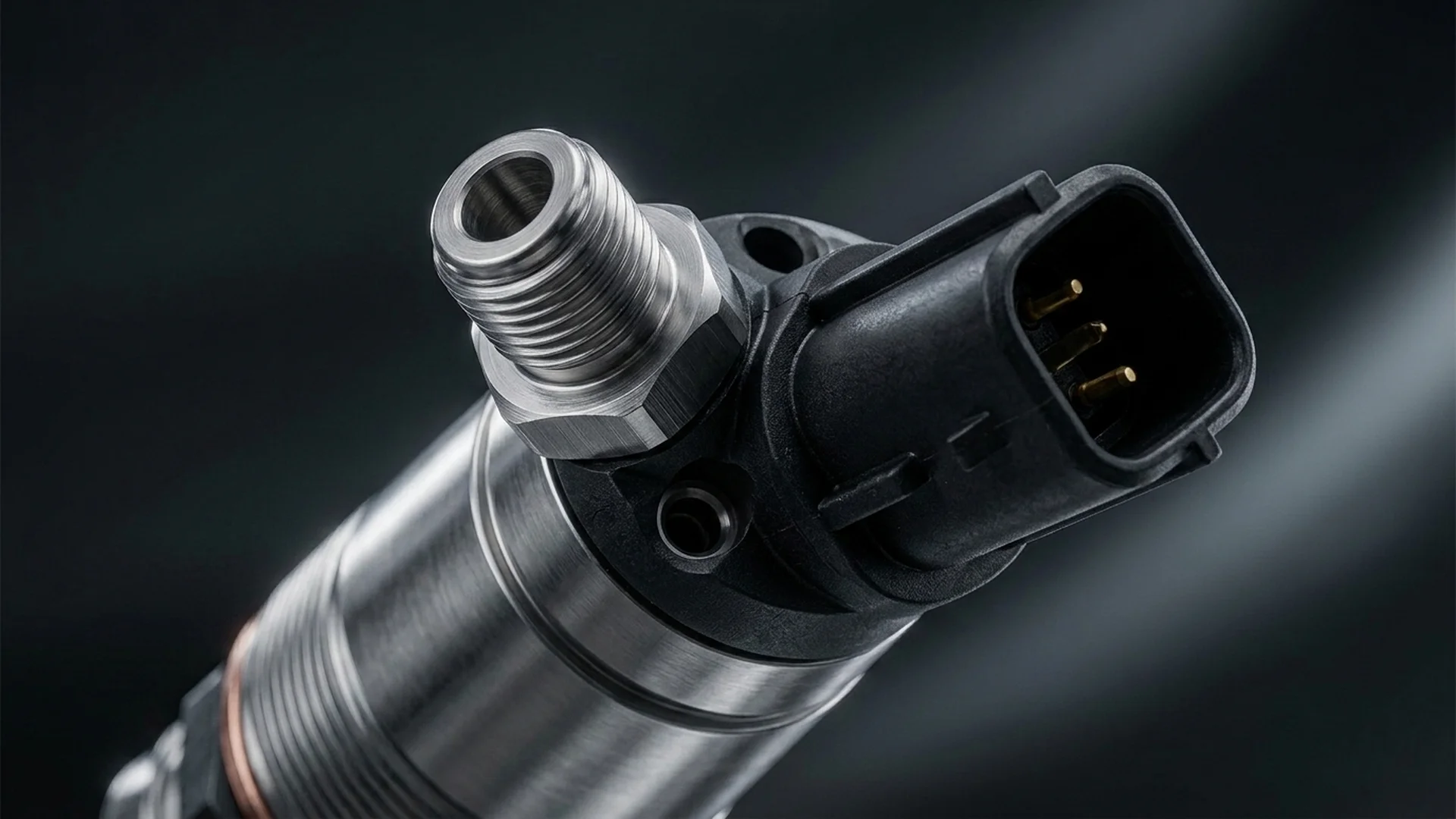
Because micro-machined injectors have slight manufacturing flow variances, every high-pressure injector is individually bench-tested at the factory and laser-etched with a 16-to-30 digit IMA (Injector Quantity Adjustment) or QR code. This code informs the engine control unit of the injector's precise opening speed and flow characteristics at varying rail pressures.
Whenever an injector is replaced or swapped between cylinders, the new calibration code must be programmed directly into the ECU via diagnostic software. Running an injector without proper coding forces the ECU to rely on generic default parameters, leading to noisy pilot injection knock, uneven cylinder temperatures, and elevated exhaust gas temperatures (EGTs).
Custom Software Tuning & Injector Safety
A common misconception is that software tuning or ECU remapping inherently degrades diesel injector lifespan. In reality, the opposite is true when tuning is done correctly:
- Dangerous Piggyback Boxes vs. Custom Software: Cheap "tuning boxes" work by intercepting rail pressure sensor voltages and tricking the ECU into running dangerously high rail pressures beyond factory limits. This spikes hydraulic stress and accelerates injector seat wear.
- Superflow Custom ECU Calibrations: At Superflow Performance, our Performance Remaps and Economy Remaps directly modify injection timing (Start of Injection), pulse duration, and boost curves within strict OEM hydraulic limits. We optimize combustion efficiency so that more energy is extracted per milligram of fuel, reducing unburnt soot deposits on nozzle tips while keeping thermal stress completely safe.
Recommended Further Reading
To learn more about maximizing diesel performance, reliability, and fuel efficiency in South Africa, check out our related guides:
- What is an EGR Delete? Preventing Carbon Build-Up in Diesel Engines
- Is ECU Remapping Safe? The Truth for South African Drivers
- The Ultimate Guide to Stage 1 Tuning & EGR Delete Benefits
- Toyota Hilux Travo 2.8 GD6 Remap: Power, Torque & Fuel Economy Gains
Summary: Your Injector Longevity Checklist
Keeping modern common rail diesel injectors running forever comes down to disciplined preventative maintenance: protect the fuel from water, filter down to 2 microns, never starve the system of cool diesel, and monitor your injector balance rates regularly. By respecting the microscopic physics of high-pressure injection, you can enjoy hundreds of thousands of smooth, powerful, and efficient kilometres from your diesel engine.
Want to Check Your Vehicle's Tuning Gains?
Explore verified power, torque, and fuel economy gains for your diesel or petrol vehicle with Superflow Performance's custom software calibrations.