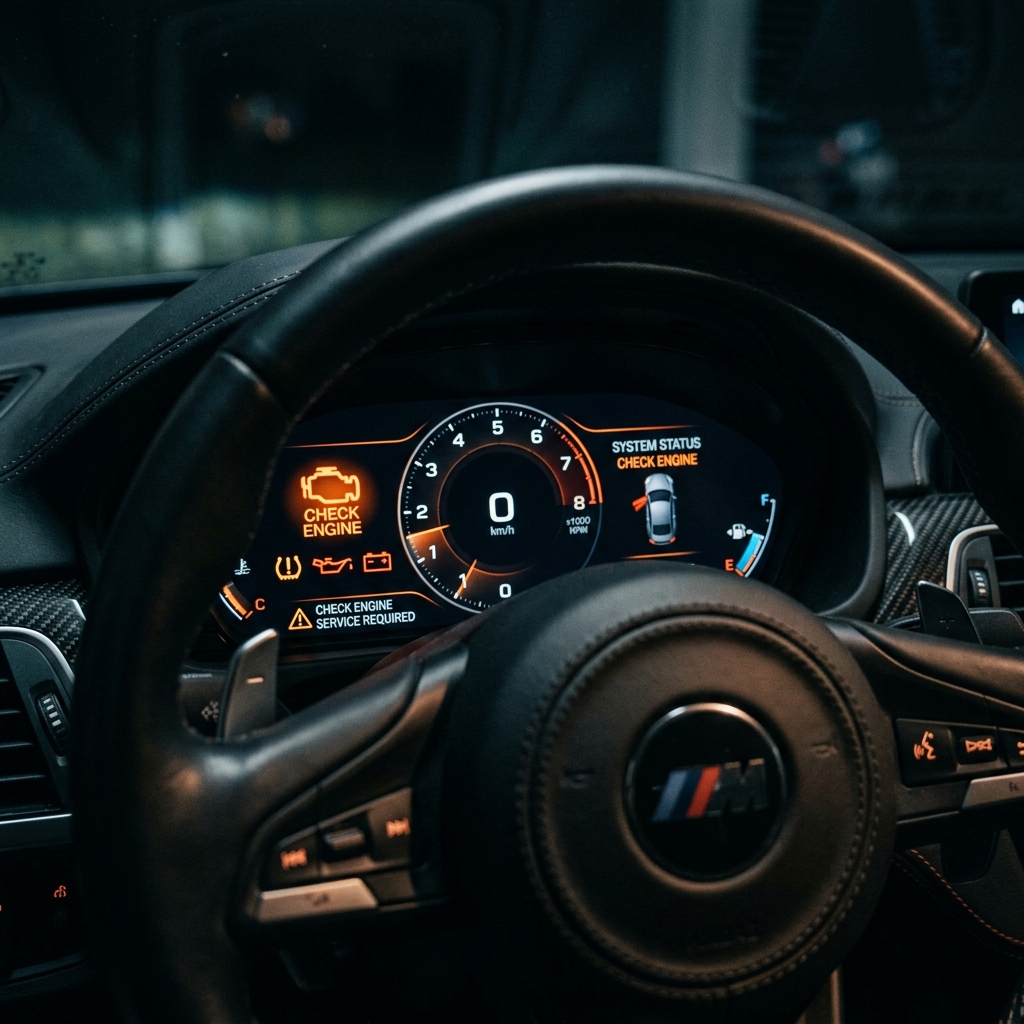
ECU remapping is completely safe for your vehicle's engine when performed by a professional using custom-calibrated software that stays within OEM safety margins. In South Africa's harsh climate and high-altitude areas, relying on real-road datalogging to verify boost pressure, fueling, and exhaust gas temperatures (EGTs) is the key to maintaining long-term engine reliability.
If you're looking to unlock more power, stronger torque, and better throttle response from your vehicle, **ECU remapping** (or software tuning) is the most effective modification you can make. But as with any performance upgrade, the very first question most car and bakkie owners ask is: "Is ECU remapping safe, or will it blow my engine?"
The short answer is yes, ECU remapping is highly safe—provided it is done correctly. However, there is a massive difference between a professional, custom-calibrated software upgrade and a generic, cheap "plug-and-play" tuning box. In this guide, we'll break down the technical mechanics of remapping, discuss how South African driving conditions affect tuning, and explain how to protect your engine, warranty, and insurance.
How ECU Remapping Works (And Why Manufacturers Detune Engines)
Modern vehicles are controlled by an Engine Control Unit (ECU), which acts as the vehicle's brain. The ECU manages parameters like ignition timing, boost pressure, fuel injection volume, and throttle response. When a car rolls off the factory floor, the manufacturer has configured it with a "one-size-fits-all" map designed to comply with global regulations, poor maintenance standards, and varying fuel qualities across worldwide markets.
Manufacturers intentionally leave substantial safety margins on the table. A professional Stage 1 ECU remap simply taps into these unused reserves, optimizing fuel and boost delivery to make the vehicle more efficient and responsive without pushing components past their physical limits.
The Core Safety Factors: What Makes a Remap Safe?
To ensure that a software upgrade doesn't cause premature wear or catastrophic failure, professional tuners focus on three key pillars:
- Component Safety Margins: The turbocharger, fuel injectors, pistons, and drivetrain (clutch and gearbox) have physical tolerances. A safe Stage 1 remap respects these limits, keeping component stress well within the structural safety thresholds set by the factory engineers.
- Custom Software Calibration: Unlike cheap plug-and-play tuning chips that simply "trick" fuel rail sensors into pumping more fuel (often causing heavy smoke and melting pistons), proper ECU remapping directly edits the tables inside the ECU. This ensures balanced boost, fuel, and timing delivery.
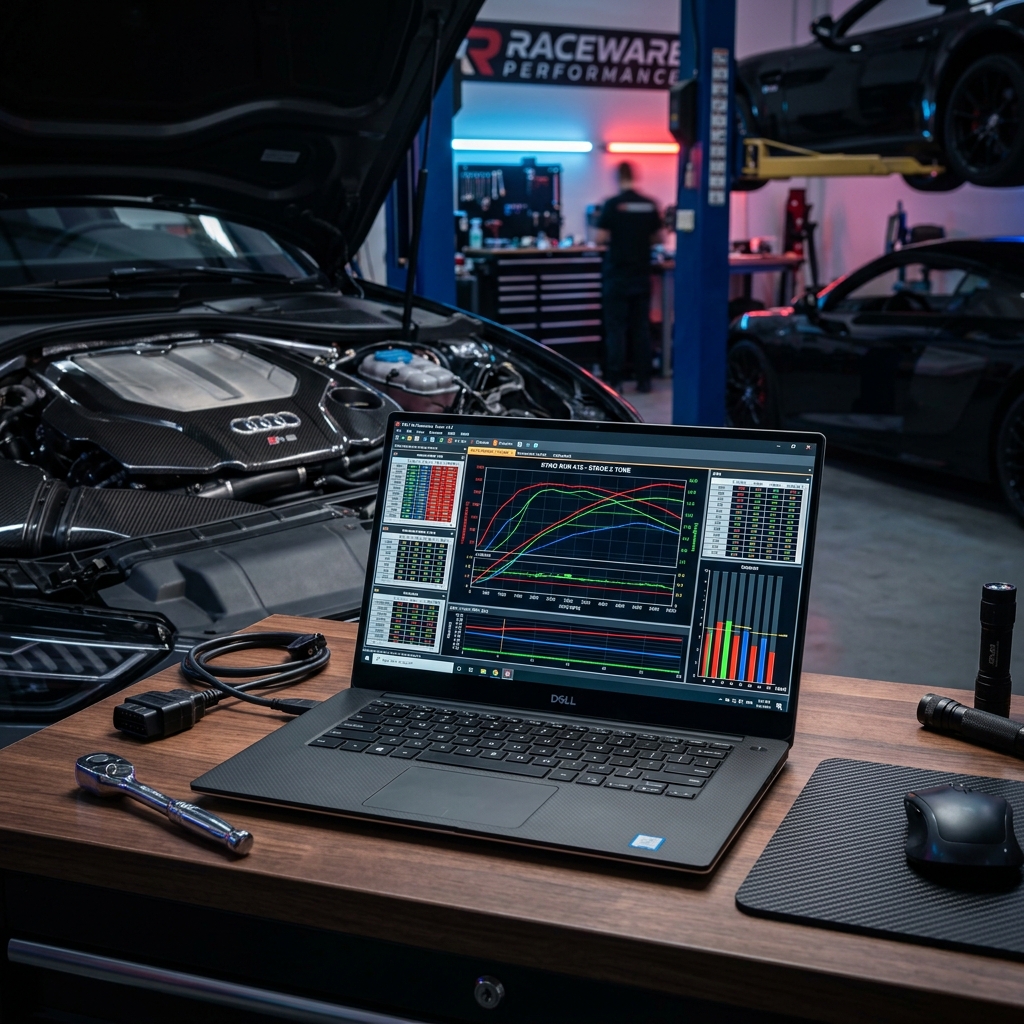
- Real-Road Datalogging: This is the absolute secret to safe tuning. By plugging diagnostic equipment into the vehicle's OBD-II port and taking it for a real-world test drive, we monitor critical parameters like Exhaust Gas Temperatures (EGTs), knock sensor readings, air-fuel ratios, and boost pressures to ensure the engine is operating perfectly.
The South African Angle: Heat, Altitude, and Bakkies
Tuning a vehicle in South Africa requires local expertise. Our environment presents unique challenges that generic European tuning files often fail to account for:
1. Intense Summer Heat
High ambient temperatures mean the air entering your engine is less dense. If a tune is pushed too hard without thermal safety precautions, Exhaust Gas Temperatures (EGTs) can spike, putting intense thermal stress on the turbocharger and cylinder head. A safe South African remap includes protective EGT limiters that automatically dial back power when the engine gets too hot.
2. High Altitude (The Highveld)
In Johannesburg and Pretoria (roughly 1,600m above sea level), the air is thin. Turbochargers have to spin significantly faster to produce the same boost pressure as they do at sea level in Durban or Cape Town. A generic "coastal" tune loaded onto a Highveld car can easily over-spin and destroy a turbocharger. Professional datalogging ensures the turbo's wastegate duty cycles are calibrated correctly for altitude.
3. Heavy Towing & Off-Roading
South Africans love their bakkies (Toyota Hilux, Ford Ranger, Isuzu D-Max) and SUVs. Remapping a turbo-diesel bakkie for towing a caravan or off-road adventures requires a focus on broad, low-end torque rather than peak high-RPM horsepower. The software must be calibrated to handle sustained load without overheating the engine or transmission.
Common Myths vs. Reality
Let's debunk some of the most common worries surrounding software tuning:
Myth: "Tuning ruins fuel economy"
Reality: For turbo-diesel and direct-injection petrol vehicles, a Stage 1 remap actually improves low-to-mid range torque. This means the engine doesn't have to work as hard to accelerate, allowing you to shift earlier and stay in higher gears longer, often resulting in a 5% to 10% fuel saving under normal driving conditions.
Myth: "A tuned engine won't last"
Reality: Engine longevity depends entirely on how the car is driven and maintained. If you change your engine oil regularly (we recommend every 10,000 km for tuned vehicles) and use a high-quality, datalogged remap, your engine's lifespan will not be affected.
Will ECU Remapping Void My Warranty & Insurance in SA?
This is a critical consideration for new vehicle owners:
Manufacturer Warranty
Yes. If a manufacturer (like Toyota, Volkswagen, or BMW) detects aftermarket software on your ECU during a service or warranty claim, they have the right to flag the vehicle and void the engine and drivetrain warranty. Even if a tuner claims their software is "invisible," modern diagnostic tools can detect changes in flash counters and maximum boost logs. If keeping your factory warranty 100% intact is your primary concern, we advise waiting until the warranty expires before tuning.
Car Insurance
Unlike warranties, ECU remapping does not automatically void your insurance—provided you declare it. If you are involved in an accident and your insurer discovers undeclared modifications, they can reject your claim on the grounds of non-disclosure. Always notify your broker or insurance provider (e.g. Santam, OUTsurance, Discovery) about the software upgrade. In most cases, it only adds a minor adjustment to your monthly premium.
Conclusion: Safe Power is Professional Power
ECU remapping is a highly safe, reliable, and cost-effective way to transform your vehicle's performance. The safety of the upgrade does not lie in the concept of remapping itself, but rather in the hands of the tuner writing the software. By avoiding generic "cheap chips," respecting component limits, and using real-time datalogging to get the vehicle running right under South African conditions, you can enjoy a massive increase in power with complete peace of mind.